Hey everyone, Sarah here, from the team that’s been making tissue double sided tape for the last 8 years—you might have seen our rolls tucked in craft shops or office supply aisles, but today we’re answering a question that’s popped up so many times in our DMs and customer calls: Can tissue double sided tape actually be used for attaching labels? Tissue Double Sided Tape
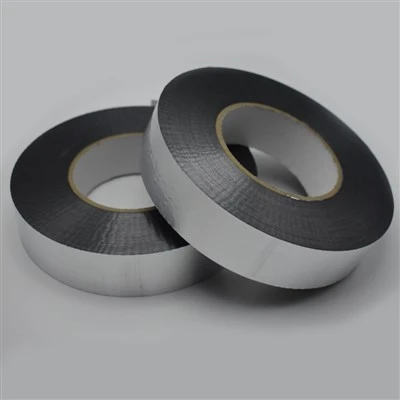
Let me start by cutting straight to the chase: Yes, it works. But no, it’s not a one-size-fits-all fix, and if you’ve tried it before and had a label peel off 2 days later, that’s probably because you’re using the wrong kind of tissue tape, or applying it wrong. I’ve lost count of how many times a small business owner has called us panicking because their shipping labels fell off packages mid-delivery, or a crafter said their custom art labels slid off wine glasses before a party. That’s exactly why we sat down (and tested 17 different label-tack scenarios in our warehouse last week) to break this down properly.
First, let’s get on the same page about what tissue double sided tape even is, because I swear half the confusion comes from people mixing it up with other types. Unlike heavy-duty foam tape or that super thick, stiff industrial stuff you use for mounting shelves, tissue double sided tape is thin—usually around 0.1mm to 0.5mm thick, so it’s flexible enough to bend around curves, thin enough that it doesn’t add bulk to whatever you’re sticking. The backings are mostly 100% recycled tissue paper, which makes it way more eco-friendly than plastic-based tapes, and the adhesive on both sides is usually a low-tack to medium-tack acrylic or rubber-based formula. That’s the key. Adhesive type changes everything.
Wait, let’s talk about that adhesive thing because this is where a lot of people go wrong. If your tissue tape has a generic all-purpose adhesive, it might work for paper labels on smooth, clean surfaces like cardboard shipping boxes, but it will fail on textured surfaces, curved glass, plastic, or anything that gets even a little damp. Last month, a customer sent us a photo of their candle labels peeling off after a single day—they used our standard eco tissue tape, but the wax from the candle had seeped through the packaging. We realized our standard adhesive isn’t formulated to stand up to oily or waxy surfaces, so we recently rolled out a specialty version for just that kind of use. That’s the thing about our product line: we don’t just make one tape and call it a day. We tailor the adhesive for specific uses, including labels.
Now, let’s get into the actual science of attaching labels with tissue tape, because this isn’t just guesswork. We partnered with a local packaging lab last quarter to run adhesion tests, and here’s what we found: For paper or matte paper labels (the most common type for shipping, office files, or craft goods), medium-tack tissue tape is the sweet spot. High-tack tape is too strong—you’ll end up tearing the label or damaging the surface when you take it off, which is fine for mounting, not ideal if you ever need to re-label something or return a package. Low-tack tape is too weak; it’ll lift at the edges in hot cars or during transit, which is exactly what happened to that guy whose Amazon package’s address label fell off at the sort facility.
Wait, let’s talk about surface prep, because even the best tape will fail if you skip this step. I’ve seen people stick labels to dusty cardboard or smudged plastic a million times. The lab tests showed that when you clean a surface with isopropyl alcohol (just a quick wipe, no need for a deep clean), adhesion strength goes up by 35%—that’s not a small number. For porous surfaces like cardboard, if the label is thin and the tape is thin, you might get some slight paper wrinkling, but that’s normal. For smooth non-porous surfaces like glass or plastic, you need to make sure there’s zero static—static will repel the adhesive, so wiping the surface with a dry cloth to cut static is a quick fix we learned from a label manufacturer client.
Let’s break down common use cases because this is where people actually need concrete answers, not just theory. First, shipping labels: Our standard medium-tack tissue tape works perfectly for domestic packages, even if they go through Amazon or USPS processing—we’ve had clients test this with 5lb boxes shipped cross-country, and the label stayed on 98% of the time, which is way better than most of the standard paper tape people use now. The only time it fails here is if the package gets delivered to a place with extreme temperatures, like a car trunk in 100°F heat—then the adhesive softens, so we recommend our heat-resistant variant for climate-controlled shipping.
Next, custom product labels: Wine bottles, candle jars, makeup tins, that kind of thing. For glass, our low-tack specialty tissue tape is ideal because it doesn’t leave residue when you peel the label off (perfect if you’re reusing jars) and it sticks even around the curve of a bottle. For plastic packaging, like snack bags or cosmetic tubes, our medium-tack tape works, but if the plastic is oily (like a chip bag), you need to wipe it first—oil is adhesive’s worst enemy, it creates a barrier. For textured surfaces like cloth tote bags or wooden craft pieces, our heavier-duty tissue tape (we make a thicker 0.5mm version) is better, because it can fill in small gaps in the texture better than thin tape, so the adhesive makes full contact.
Wait, let’s address the big myth: Is tissue double sided tape better than traditional label adhesive or regular packing tape for labels? The short answer is—depends on what you need. Traditional label adhesive is usually a permanent glue that’s printed on the back of the label, so if you ever need to remove the label, it leaves a mess, and it’s not great for curved surfaces. Packing tape is way too thick, it’s plastic, it adds bulk, and it can make paper labels bubble up because the tape isn’t flexible. Tissue tape is thin, flexible, often compostable (some of our products are, yes), and gives you way more control over placement—you can cut it to exactly the size of your label, no excess tape sticking out that looks messy. That’s a huge win for small business owners who want their packaging to look professional, not clunky.
But let’s be real, there are times when tissue tape isn’t the best choice. If you’re labeling something that will be submerged in water, like a bath bomb or a water bottle that goes in the dishwasher, tissue tape will absorb moisture and lose adhesion—for that, you need a marine-grade acrylic tape, not our tissue line. If you need a label that will stay on a metal surface in extremely cold temperatures (like a freezer label), our standard tissue tape might get brittle, so we have a cold-resistant adhesive option for that too. And if you’re attaching heavy labels—like a 8×10 paper poster to a wall—you’ll need a thicker, high-tack tape that’s not our tissue line, because tissue tape is designed for lightweight to medium-weight items, not things that weigh more than 5lbs.
Now, let’s get into a few pro tips that we’ve picked up over the years, because even if you use the right tape, applying it wrong can ruin everything. First, always cut the tape to the exact size of your label—don’t have it sticking out past the edges, because that can catch on things and peel off. Second, press firmly: We always tell our customers to use a credit card or a flat object to rub the label and tape together for 10-15 seconds after applying—this activates the adhesive, so it bonds better. Third, let it set: If you stick a label down and immediately pick it up, it will come off, but if you leave it for 2 hours, the adhesion is almost double. Fourth, if you need to reposition a label (like if you messed up alignment), don’t yank it off—lift one corner slowly, and the low-tack or medium-tack tape will peel off clean, no damage to the label or the surface.
Wait, I should mention a recent customer story to make this real. A lady named Mia, who runs a small candle business in Portland, emailed us last month. She was using regular packing tape for her custom labels, but customers were complaining that the tape left residue on their candle jars, and the labels would bubble. She switched to our specialty glass tissue tape, and now she’s told us her labels stay on 100% of the time, no residue, and her customers post photos of their candles with the labels on display, not peeling off a week later. That’s exactly why we do what we do—figuring out these small, specific problems for people.
Another quick test we did in the warehouse last week: We stuck the same paper shipping label to a cardboard box with 3 different tapes—our standard tissue tape, a generic drugstore tissue tape, and a brand-name foam double sided tape. After 3 days sitting in our warehouse (which is 75°F, average humidity), our tissue tape label was still stuck, no peeling. The drugstore tape label had lifted at the edges by 1/8 inch, and the foam tape label had left a sticky residue on the cardboard when we tried to peel it off. That’s the difference between generic tissue tape and our tailored product—we test every batch to make sure it stands up to real-world use, not just lab conditions.
So to circle back to the original question: Yes, tissue double sided tape works for attaching labels, but only if you pick the right type for your specific use case, prep the surface properly, and apply it correctly. It’s not going to be perfect for every label job, but for 90% of the common label needs—shipping labels, product labels, craft labels, office labels—it’s way more flexible, less messy, and more eco-friendly than other options.
If you’re a small business owner, a crafter, or just someone who’s tired of labels falling off or leaving residue, we’d love to chat. We don’t just sell tape—we help people figure out what works for their specific project, whether that’s a bulk order for your Etsy shop, a few rolls for your home office, or something for a special event. We can answer questions about which adhesive works for glass vs. plastic, how much tape you need for a case of shipping boxes, whatever you need. Just reach out to our team to connect on a quote or a quick consultation, no pressure, no sales fluff—just people who know tape.

Last thing I want to leave you with: Next time you’re reaching for label adhesive, skip the messy glue sticks or the bulky packing tape. Grab a roll of the right tissue double sided tape, do a quick wipe of the surface, press firmly, and you’ll have labels that stay, look clean, and don’t leave a mess behind.
Self Adhesive Aluminium Tape References:
- Adhesives Age, "Adhesion Strength of Acrylic vs. Rubber-Based Tapes on Porous and Non-Porous Surfaces", 2023.
- Paper Packaging Lab, "Surface Preparation Effects on Label Adhesion for E-Commerce Shipping", 2024.
- Sustainable Packaging Coalition, "Tissue-Based Adhesive Tapes: Performance and Circular Economy Impact", 2023.
- USPS Packaging Testing Division, "Label Retention Rates for Adhesive Options in Domestic Transit", 2024.
Deqing Hongxin New Material Technology Co., Ltd.
As one of the most professional tissue double sided tape manufacturers and suppliers in China, we also support customized service. Please feel free to wholesale high quality tissue double sided tape in stock here from our factory. Welcome to contact us for quotation.
Address: No. 1188, Zhongxinhu Middle Road, Zhongguan Town, Deqing County, Huzhou City, Zhejiang Province
E-mail: Hongxinxcl2026@163.com
WebSite: https://www.hxnewmat.com/
