As a supplier of shoe shine sponges, I often receive various inquiries from customers. One question that comes up quite frequently is whether a shoe shine sponge can be used on shoes with patches. This is a valid and important question, as it pertains to both the effectiveness of the shoe – shine process and the potential damage to the shoes. In this blog post, I’ll delve into this topic in detail, exploring the factors at play and providing some practical advice. Shoe Shine Sponge

Understanding Shoe Shine Sponges
Before we discuss using shoe shine sponges on shoes with patches, it’s essential to understand what a shoe shine sponge is. A shoe shine sponge is a versatile tool designed to apply shoe polish evenly on the surface of shoes. It typically has a porous structure that can hold a sufficient amount of polish, allowing for easy and efficient application. The sponge’s soft texture ensures that it doesn’t scratch the shoe’s surface, making it a popular choice among shoe enthusiasts.
Shoe shine sponges come in different types and qualities. Some are made from natural materials like cellulose, which are known for their excellent absorbency and softness. Others are synthetic, offering different benefits such as durability and resistance to chemical degradation. The choice of sponge depends on the type of shoes and the polish being used.
Types of Patches on Shoes
Shoes can have various types of patches, and each requires a different approach when it comes to shoe shining.
Leather Patches
Leather patches are common, especially on high – quality shoes. They can be made from the same type of leather as the rest of the shoe or a different variety. Leather patches are usually sewn or glued onto the shoe, and they require the same care as the rest of the leather surface.
Since shoe shine sponges are gentle on leather, they are generally safe to use on leather patches. The sponge can evenly distribute shoe polish, nourishing the leather and enhancing its appearance. However, it’s important to choose the right color of polish to match the leather patch.
Fabric Patches
Fabric patches, such as those made from canvas, denim, or other textiles, are also prevalent. These patches can add a decorative or functional element to the shoes. When it comes to using a shoe shine sponge on fabric patches, the situation is a bit more complicated.
Shoe polish is formulated for leather, and applying it directly to fabric patches may not yield the desired results. In fact, it could potentially stain the fabric. Before using a shoe shine sponge on fabric patches, it’s advisable to test a small, inconspicuous area of the patch with a small amount of polish. If there is no adverse reaction, such as color bleeding or discoloration, you can proceed with caution.
Synthetic Patches
Synthetic patches, which can be made from materials like PVC, polyurethane, or other plastics, are often used for their durability and affordability. These patches may have a smooth or textured surface.
Most shoe shine sponges can be used on synthetic patches, but again, the type of polish matters. Some polishes may not adhere well to synthetic materials, while others may leave a sticky residue. It’s important to choose a polish that is suitable for synthetic surfaces. Additionally, be careful not to apply too much pressure when using the sponge on synthetic patches, as this could potentially damage the surface.
The Benefits of Using a Shoe Shine Sponge on Patched Shoes
- Even Application: One of the main advantages of using a shoe shine sponge is its ability to apply polish evenly. This is true for both the main body of the shoe and the patches. An even coat of polish not only enhances the appearance of the shoes but also provides better protection against wear and tear.
- Gentle on Materials: As mentioned earlier, shoe shine sponges are generally gentle on various shoe materials. This means that they are less likely to cause damage to the patches, whether they are leather, fabric, or synthetic.
- Cost – Effective and Convenient: Shoe shine sponges are relatively inexpensive and easy to use. They can be a practical solution for maintaining the appearance of shoes with patches, especially for those who want to do their own shoe shining at home.
Precautions When Using a Shoe Shine Sponge on Patched Shoes
- Test First: Always test the polish and the sponge on a small, hidden area of the patch before applying them to the entire surface. This will help you determine if there are any adverse reactions, such as color bleeding or damage to the material.
- Choose the Right Polish: Different shoe materials require different types of polish. For leather patches, choose a high – quality leather polish. For fabric patches, explore options like fabric cleaners or dyes if shoe polish is not suitable. For synthetic patches, opt for a polish designed for synthetic surfaces.
- Be Gentle: When applying the polish with the sponge, use a light touch. Avoid applying too much pressure, especially on delicate patches like fabric or thin synthetic materials. This will reduce the risk of damaging the patches.
Step – by – Step Guide to Using a Shoe Shine Sponge on Shoes with Patches
- Clean the Shoes: Before applying any polish, clean the shoes thoroughly. Remove dirt, dust, and debris from both the main body of the shoe and the patches using a soft brush or a damp cloth.
- Select the Right Polish: Based on the type of patches on your shoes, choose the appropriate polish. For example, if you have leather patches, select a leather polish that matches the color of the leather.
- Test the Polish: Apply a small amount of polish to a hidden area of the patch using the shoe shine sponge. Wait for a few minutes and check for any adverse reactions, such as color change or damage to the material.
- Apply the Polish: If the test is successful, dip the shoe shine sponge into the polish and squeeze out any excess. Gently apply the polish to the patches and the rest of the shoe in a circular motion. Make sure to cover all areas evenly.
- Buff the Shoes: After applying the polish, let it dry for a few minutes. Then, use a soft cloth or a shoe brush to buff the shoes, including the patches, to a shine.
Conclusion
In conclusion, a shoe shine sponge can be used on shoes with patches, but it requires careful consideration of the type of patches and the appropriate polish. By understanding the materials of the patches and taking the necessary precautions, you can safely and effectively use a shoe shine sponge to enhance the appearance of your shoes.
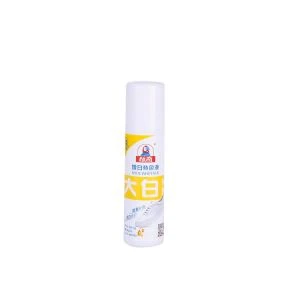
Sneaker Cleaner As a shoe shine sponge supplier, I’m dedicated to providing high – quality products that meet the diverse needs of our customers. If you have any questions about using our shoe shine sponges on shoes with patches, or if you’re interested in purchasing our products for your business or personal use, please feel free to contact me for further discussion and potential procurement. I look forward to the opportunity to serve you and help you keep your shoes looking their best.
References
- "The Art of Shoe Shining", Book by an unknown leather care expert.
- Various leather and shoe care manuals available in the market.
Zhongshan Biaoqi Houseware Co., Ltd.
Bringing you shoe shine sponge, Zhongshan Biaoqi Houseware Co., Ltd. is one of the leading shoe care products manufacturers and suppliers in China. Also dealing with customized service, we warmly welcome you to buy or wholesale high quality shoe care products with innovative design from our factory.
Address: No. 38, Huazhong Road, Yongning, Xiaolan Town, Zhongshan, Guangdong, China 528415
E-mail: info@bikishoecare.com
WebSite: https://www.cnbiaoqi.com/
