If you’re running a metal stamping shop or sourcing parts for your product line, you’ve probably stared at a rack of lubricant drums in the supply closet and thought, “Is this stuff overkill? Or will it actually save me from scrapping $1,000 worth of stamped parts next week?” As a metal stamping parts supplier who’s seen way too rookie mistakes (and way too many avoidable rejections from big auto and appliance clients), let me cut through the jargon and tell you exactly how to pick the right lube—no confusing technical manuals required. Metal Stamping Parts
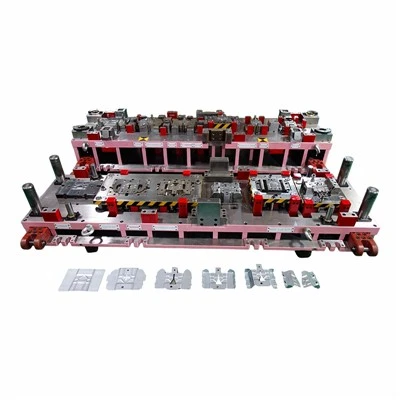
First, let’s get one thing straight: I used to skip the deep dive on lubricants, too. A few years back, we were stamping thin 304 stainless steel brackets for a commercial HVAC brand, and I grabbed the cheapest generic stamping oil off Amazon to cut costs. Big mistake. Within two weeks, 12% of the brackets came back with tiny burrs along the edges and surface micro-scratches that made the customer’s quality team reject the entire batch. We ended up reworking every part at a loss, and that cost us way more than the $150 we “saved” on the cheap lube. That’s when I stopped treating lubricant like an afterthought and started treating it like one of the most critical production tools we had.
Now, let’s break this down into stuff that actually applies to your stamping line—no fancy acronyms (well, maybe one or two super common ones you’ve probably heard). The first and biggest factor? The type of metal you’re stamping. I can’t stress this enough: a lube that works for mild steel will crash and burn with stainless or aluminum, and vice versa. Let’s walk through the most common metals we deal with daily, and what works for each:
Mild steel is the workhorse of stamping, right? It’s cheap, easy to form, and super common for brackets, enclosures, and hardware. For mild steel, you have some flexibility, but skip straight mineral-based stamping oils—they’re cheap, they reduce friction, and they work well for most mild steel forming. But if you’re doing deep draws (like a 2-inch deep cup for a kitchen sink drain), you’ll want a slightly heavier-duty lube, maybe one with extreme pressure (EP) additives. EP additives are basically little fighters that kick in when the metal is under tons of pressure (like when you’re stretching a thin sheet into a deep shape) to keep the metal from galling—where two metal surfaces stick together and tear. For mild steel shallow draws or simple bends, even a semi-synthetic lube works, and it’s easier to clean off later if your parts get coated for painting or powder coating. That’s a huge win because removing old oil is a whole step you don’t want to mess up.
Next up, stainless steel—this is where so many people mess up. Stainless is tough, it resists corrosion, but it’s a pain to stamp because it work-hardens super fast. If you try to use a regular mild steel lube on stainless, you’ll get galling, tiny cracks, and your dies will wear out way faster than they should. We learned this the hard way a couple months ago when we took on a small batch of 17-4 stainless brackets for a medical device client. We grabbed our usual mild steel EP oil, and by the 500th part, the die had a huge burr on it, and half the brackets had surface damage. We switched to a sulfur-chlorinated lube specifically made for stainless, and suddenly the die ran twice as long between sharpenings, and part quality went up 100%. Wait, but hold on—chlorinated lubes have a downside. If your parts are going to be powder coated or painted, you have to do a deep solvent clean to get all the chlorines off, and if you leave residue, it’ll cause coating failure. Also, chlorinated stuff is getting more regulated these days for environmental reasons. So if you don’t need super extreme pressure for stainless, go for a chlorine-free EP lube. It’s a little more expensive upfront, but you skip the extra cleaning step, and it’s better for compliance.
Aluminum is another big one, especially for automotive and aerospace parts. Aluminum is soft, it’s lightweight, but it’s prone to staining and galling, and it doesn’t play well with certain additives. If you use a lube with sulfur on aluminum, you’ll get sulfur staining—those weird, discolored spots that make the part look cheap and unpolished. So skip sulfur-based lubes for aluminum. The best options here are either synthetic or vegetable-based lubes that are formulated to resist staining. We also use water-based lubes for thin aluminum sheet because they cool the die down as it runs—aluminum can get gummy if the die gets too hot, and water-based lubes are way easier to rinse off for finishing. Just make sure you get a water-based lube that has rust inhibitors, because aluminum and water don’t mix forever if you leave it on the part too long.
Now, that’s just the metal type. The next big decision is what kind of stamping operation you’re doing. Are you doing simple blanking and bending, or deep drawing, ironing, or piercing? Let’s break that down too: Simple operations like cutting notches, bending small brackets, or punching holes in thin sheet metal don’t need super heavy-duty lube. A light mineral oil or even a good quality stamping compound (the paste-like stuff for more pressure) works, but you don’t need to overdo it. The problem comes when you’re doing high-pressure operations: deep drawing (stretching metal into a deep shape like a soda can), ironing (thinning the wall of a drawn part to get a tight tolerance), or coining (compressing metal to make exact, tight features). For these, you need a lube that can handle extreme pressure without breaking down mid-run. That’s where those specialized EP lubes come in—wait, but remember the metal rules: EP for mild steel deep draws is fine, but for stainless deep draws, you might need even more heavy-duty stuff, like a paste or a solid film lube. Solid film lubes (like molybdenum disulfide or PTFE-based coatings) are great for high-torque operations because they don’t wash off easily, even when the pressure is through the roof. They’re also easy to apply, either as a spray or a dip, so you don’t have to run drums of lube through your line. The only downside? If you need to weld or paint the parts later, you have to clean off the solid film, which adds a step. But for parts that go straight to assembly, it’s a game-changer.
Wait, let’s talk about something that’s super important but almost overlooked: cleaning and finishing. So many guys pick a lube and forget about what happens after stamping. If your parts are going to be powder coated, painted, or anodized, the last thing you want is lube residue messing up the finish. We used to test every lube we tried by doing a quick wipe test after stamping: take a part, wipe it with a clean cloth, if any color transfers to the cloth, that lube is probably going to leave residue that will ruin a coating. For anodized aluminum, it’s even trickier—you need a lube that’s completely water-soluble, because anodizing requires the part to be super clean before going into the anodizing bath. If there’s even a tiny bit of lube left, it’ll cause uneven color or splotches in the anodized finish. For parts that are going to be assembled without finishing (like internal brackets that are hidden inside a machine), you have a little more flexibility—you can use a lube that provides extra corrosion protection so the part doesn’t rust while it’s sitting in inventory. That’s a huge bonus for parts that take a while to get to the next step of production.
Now, let’s talk about common mistakes I’ve seen (and made) over the years. Number one: people buy the cheapest lube on the market to save money. But like I said earlier, that cost cuts way deeper when you have scrapped parts, rework costs, or upset customers. Number two: using the same lube for every job. We used to have one big drum of universal lube that we used for everything, and it never worked right. Now we keep 5 different types of lube on hand, and we match each one to the job. Number three: not testing the lube before full production. We learned this with the stainless brackets I mentioned earlier—instead of using the new lube on the entire batch, we ran a 50-part test first. That way, if there was an issue, we only had 50 parts to rework, not 10,000. Testing is non-negotiable.
Also, a quick note about environmental and safety stuff. A lot of our clients now have strict EHS (environment, health, safety) rules, and they won’t accept parts that were made with lubes that have harmful ingredients. Chlorinated lubes, for example, are being phased out in many regions because they’re bad for workers and the environment. So if you’re selling to major brands, check their specs—they’ll usually list approved lube types. Water-based lubes are great here because they’re less toxic, easier to dispose of, and don’t have that harsh chemical smell that makes your shop floor smell like a gas station.
Wait, let’s wrap this up with a quick cheat sheet that you can reference, no matter what job you’re on:
- For mild steel, simple operations: Light mineral oil or semi-synthetic EP lube.
- For mild steel deep draws/high pressure: Heavy-duty EP oil or stamping compound.
- For stainless steel (non-challenging operations): Chlorine-free EP lube.
- For stainless steel deep draws: Sulfur-chlorinated lube (if cleaning post-stamping) or solid film lube.
- For aluminum (simple operations): Staining-resistant semi-synthetic oil.
- For aluminum deep draws/ironing: Water-based lube with rust inhibitors.
- For parts needing coating/painting: Skip solid film and chlorinated lubes; use easy-to-clean semi-synthetic or water-based.
At the end of the day, picking the right lubricant isn’t about buying the most expensive stuff. It’s about matching the lube to your metal, your operation, and what you need to do with the part after it’s stamped. If you get that right, you’ll reduce die wear, cut down on scrapped parts, keep your quality team happy, and save way more money than you spend on the lube.
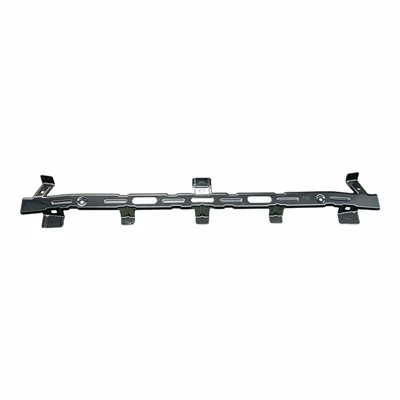
If you’re sourcing metal stamping parts and want to chat through the right lube for your specific project, or if you have questions about what we use here in our shop, feel free to reach out to our team for a consultation. We’ve worked with everything from small prototype parts to high-volume automotive and aerospace orders, and we know firsthand how a good lube can make or break a project.
Custom Stamped Parts References:
- Tooling and Manufacturing Association. (2021). Lubrication for Metal Stamping and Forming Operations.
- Society of Manufacturing Engineers. (2022). Selection Guidelines for Metalworking Lubricants.
- International Organization for Standardization. (2020). ISO 10110: Lubricants for Metal Stamping Processes.
- American Iron and Steel Institute. (2021). Forming Lubricants for Stainless Steel and High-Strength Low-Alloy Steels.
Dongguan Changdong Tool & Die Co., Ltd.
With abundant experience, we are one of the most reliable metal stamping parts manufacturers and suppliers in China. Please feel free to buy advanced metal stamping parts made in China here from our factory. Good service and quality products are available.
Address: No. 56-B, Fumin South Road, Dalang Town, Dongguan City, Guangdong Province, China
E-mail: sales@stamping-die.com
WebSite: https://www.metalstampingdie.com/
