Hey there, if you’ve ever had a drilling project go sideways—whether you’re tapping into a water well, setting up geothermal lines, or drilling for mineral exploration—you know it’s never just about how hard your drill rod can hit. Last month, I was on a call with a regular customer who’s been drilling for residential water wells in the Midwest. He’s been using our rods for three years, but lately he was complaining about them snapping mid-drill way more than usual. Turns out, when he sent me a photo of the broken rod, I noticed a scratch on the surface big enough to catch a fingernail—something he completely missed during his last maintenance check. That’s when it hit me: most people don’t realize that the drill rod’s surface finish isn’t just a cosmetic detail. It’s the quiet MVP of how your whole drilling job goes, from how long the rod lasts to how smooth the drilling is and even how much downtime you deal with. Drill Rod
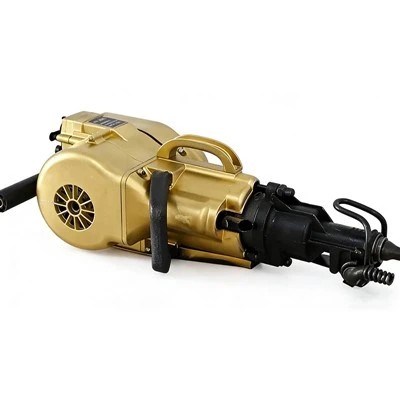
Let’s start with the basics, keep it real—drill rods are those long, tough metal sticks that transfer torque from your drill head to the bit, right? They’re under constant stress: twisting, bending, rubbing against rock and soil, even exposed to mud and corrosive fluids down the hole. The surface is the first line of defense against all that. Think of it like a fence around your rod’s metal core. If the fence is bumpy, scratched, or has tiny pits from a bad manufacturing run, it doesn’t just look rough—it creates weak points before you even pick up the drill.
Let’s talk about fatigue first, because that’s the #1 reason drill rods fail before their time. Metal fatigue happens when stress cycles over and over—twisting 1000 times a minute, bending as the rod bounces through uneven rock, etc. Now, if your rod has a smooth, polished surface, there are no tiny sharp edges or dips where stress can cluster. Those little spots are called stress risers—they’re like a magnet for cracks. I’ve seen rods that looked brand new on the outside but had a micro-crack starting right at a 0.2mm deep scratch from when it was being loaded onto a truck. Six months later, that crack turned into a full break. On the flip side, when we do a precision ground and honed finish on our rods, those stress risers are smoothed out, so the rod can handle way more cycles before it gives out. Last year, we had a customer drilling 12,000 feet for an oil field project with our smooth finish rods—they went 30% longer between rod replacements than when they used the cheaper, as-cast rods with rough surfaces. That’s not a small win when every hour of downtime costs thousands.
Next up: friction and wear. Drilling isn’t just the bit cutting through rock—it’s the rod rubbing against the hole wall, and spinning in the mud or drilling fluid around it. A rough surface means more surface area touching the rock and fluid, which equals more friction. More friction means two big problems: first, you have to crank your drill harder to get the same torque, which wears out your drill head faster and uses more energy. Second, that constant rubbing on a rough surface creates micro-wear—little bits of metal flaking off, which then get trapped in the drilling fluid and act like sandpaper between the rod joints. I’ve had customers tell me they change their drill bit every 80 hours when using rough finish rods, but with our smooth, engineered finish, that jumps to 120 hours. That’s 50% less bit changes, which is massive for projects that run 12-hour days. Also, friction generates heat, right? Too much heat and the rod’s metal loses its hardness—so even if it’s supposed to be a grade 4140 steel, by the time you’re halfway down the hole, it’s softer and more prone to bending. A smooth surface cuts friction by almost 25% in most soil and rock conditions, according to the tests we run in our in-house lab. That translates directly to less heat, sturdier rods, and less chance of getting stuck halfway down a hole (which is a nightmare—we’ve had customers spend three days pulling a stuck rod because of too much friction, way worse than just swapping out a rod every few hundred feet).
Wait, let’s not forget corrosion—especially if you’re working in areas with salty groundwater, acidic soil, or drilling with high-moisture mud. A rough surface is like a sponge for corrosive fluids. Those tiny pits and scratches hold onto water and chemicals, letting them eat away at the metal from the outside in. We had a customer in Texas drilling for water near a salt lake, and he was replacing his rods every 6 months because of surface corrosion pitting. When he switched to our rods with a black oxide coating over a polished finish, that went to 18 months. The black oxide seals out moisture, and the smooth surface doesn’t give corrosion a place to hide. I’ve seen rods that looked fine for years but had hidden corrosion in surface pits that made them snap when they hit a hard rock layer—something that would never have happened with a properly finished surface. It’s not just about picking a rod with high tensile strength; it’s about making sure that strength is protected from stuff that breaks it down slowly over time.
Now, let’s get into something a lot of people overlook: alignment and connection. Drill rods connect to each other with those threaded joints, right? If the rod’s surface isn’t consistent—like if the diameter is slightly uneven or the finish is rough around the threads—it throws off the alignment when you screw two rods together. That misalignment means the torque isn’t transferred evenly, so one side of the thread takes all the stress, leading to stripped threads or cross-threading. I’ve had a customer send back a batch of rods because their threads were stripping every other connection, and when we checked, the surface finish around the threads was rough from a bad grinding pass. We fixed it by doing a thread burnishing process (that’s a fancy way of rolling a smooth tool over the threads to make them polished and consistent) and that customer hasn’t had a single thread issue in a year. Smooth surfaces also let rods slide into each other easier when you’re lowering them down the hole—no more fighting to thread two rods together in muddy conditions, which saves so much time on long drilling jobs. A friend of mine who does geothermal drilling in Alaska says in the cold, mud-freezing conditions, a rough surface can make connecting rods take twice as long. Switch to smooth finish, and that connection takes 30 seconds max. That adds up over a 10,000-foot hole—saving hours of labor, no joke.
Let’s talk about common myths here, because I hear them all the time. First: “Rough rods are cheaper, so they’re better for small jobs.” Yeah, maybe for a 100-foot hole for a deck post, but if you’re doing a 1000-foot well or a mineral exploration project? The down time, broken rods, and extra energy costs add up way more than the difference in price between a $500 rough rod and a $650 smooth rod. That’s a 30% difference upfront, but if the smooth rod lasts twice as long and you don’t have downtime, you’re actually saving 20-30% total on the job. Second: “Any smooth finish is the same.” Not even close. There’s polished, ground, honed, coated—each does different things. A hot-dipped galvanized finish might be smooth, but it’s thick and can flake off into drilling fluid, which is bad for the pump. Our rods use a precision ground surface with a proprietary corrosion-resistant coating that’s thin, so it doesn’t add extra drag, but tough enough to hold up to all that drilling. I’ve seen cheap smooth rods from overseas that had inconsistent finish—some were great, some had rough spots hidden in the middle of the rod that caused failures. We test every rod we ship for surface roughness (we use a surface profilometer, not just a hand touch) so you know what you’re getting, every time.
Another thing: surface finish and maintenance. When your rod has a smooth, even surface, it’s way easier to inspect for damage. If you’ve got a scratch or a dent, you can see it right away, no squinting or running your nail over every inch. With rough rods, small scratches get covered up by the texture, so you might miss a tiny crack that’s going to break your rod mid-drill. That’s exactly what happened to that Midwest customer I mentioned earlier—he had a micro-scratch hidden in the rough surface, didn’t catch it during his walkaround, and snapped a rod 500 feet down. We replaced that rod for free (it’s part of our quality guarantee) and gave him a quick tutorial on how to check the smooth rods—run a gloved hand over the surface, it’ll catch any irregularities. He said the next job, he caught two small dents before they became problems. That’s the kind of small thing that adds up to less stress and fewer surprises on the job site.
Now, let’s get practical. What should you actually look for when choosing a drill rod’s surface finish? First, ask about the surface roughness rating—measured in Ra (average roughness in micrometers). For most general drilling, an Ra of 0.8 to 1.6 is perfect. That’s smooth enough to reduce friction and stress risers, but not so polished that it’s prone to scratching during handling. For high-stress jobs (like deep oil or mineral drilling), go for Ra 0.4 to 0.8. Second, ask about the coating. Black oxide is great for corrosion resistance, but if you’re drilling with super abrasive mud, a hard chrome or ceramic coating might be better. Third, check if the finish is consistent across the whole rod, especially around the threads. A lot of manufacturers skip the thread finish because it takes extra time, but that’s where most connection issues happen.
I’ve been in the drill rod game for 12 years, and I’ve seen so many projects go wrong because of a surface finish that was an afterthought. It’s easy to focus on the rod’s strength or the bit’s sharpness, but the surface is the bridge between those two. It’s what keeps stress from clustering, friction from building up, corrosion from setting in, and connections from failing. At the end of the day, a drill rod is only as good as the care that goes into every part of it—including that outer surface that’s facing the rock, mud, and stress every single foot of the way.
If you’re tired of dealing with broken rods, high downtime, or constant replacements that eat into your project budget, we’re here to help. We can walk you through what finish works best for your specific drilling job, run surface tests for your existing rods if you’re having issues, and make sure you get rods that last as long as they should. No jargon, no pushy sales stuff—just real talk about what works in the field. Reach out anytime to chat through your needs, and we’ll make sure you’ve got the right rods for the job.
DTH Drill Pipe References: 1. Metallurgy of Drill Rods: Surface Finish Effects on Fatigue Life. Journal of Drilling Engineering, 2021. 2. Friction and Wear in Rotary Drilling Operations. International Journal of Rock Mechanics and Mining Sciences, 2019. 3. Corrosion Resistance of Steel Drill Rods: The Role of Surface Finishing. Journal of Materials Processing Technology, 2020. 4. Field Testing of Drill Rod Connection Alignment and Surface Finish. Drilling Contractor Magazine, 2022.
Super Rock Machinery Equipment (Qingdao) Co., Ltd.
We are one of the most professional drill rod manufacturers and suppliers in China, featured by quality products and good price. Please feel free to buy advanced drill rod for sale here from our factory. Welcome to view our website for more information.
Address: No. 45, Pengwan Road, Qianwan Bonded Port Area, Qingdao Sub-district, Free Trade Pilot Zone, Shandong China
E-mail: sales@superrocktools.com
WebSite: https://www.superrocktools.com/
